Site Logo

Community shares the joy of the O-Bon tradition

Published 1:30 pm Wednesday, August 1, 2018
Community shares the joy of the O-Bon tradition
1/8
Community shares the joy of the O-Bon tradition
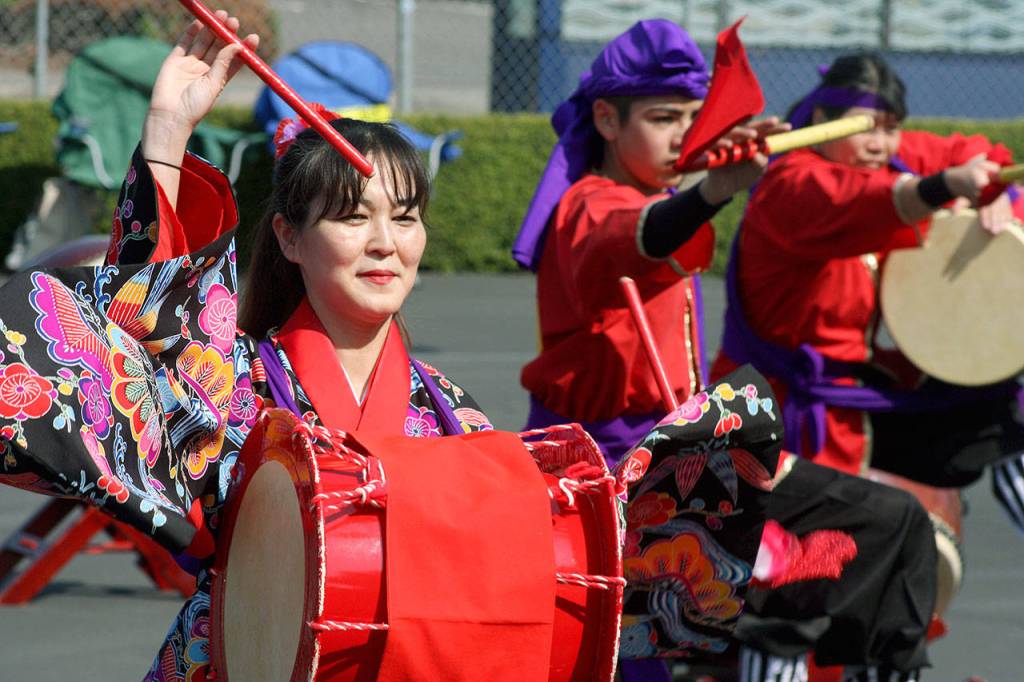
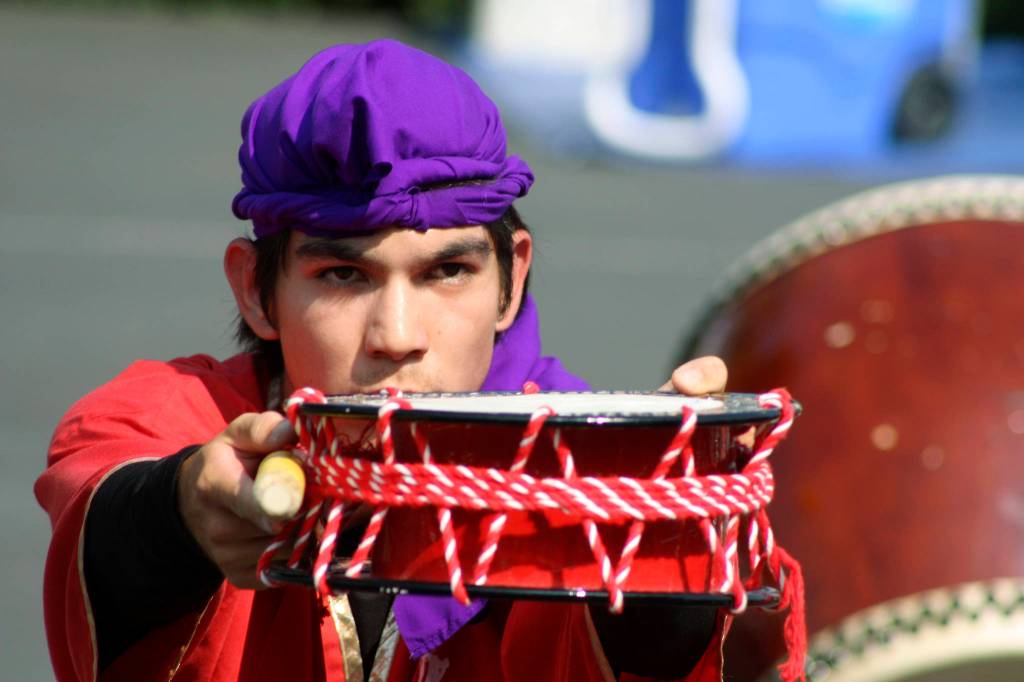
The Okinawa Kenjin-Kai Taiko group performs for the crowd during the Bon Odori Festival at the White River Buddhist Temple last Saturday. Based in Seattle, Okinawa Kenjin-Kai Taiko is a spirited group of adults and children that performs with big and hand-held taiko drums and other instruments. MARK KLAAS, Auburn Reporter
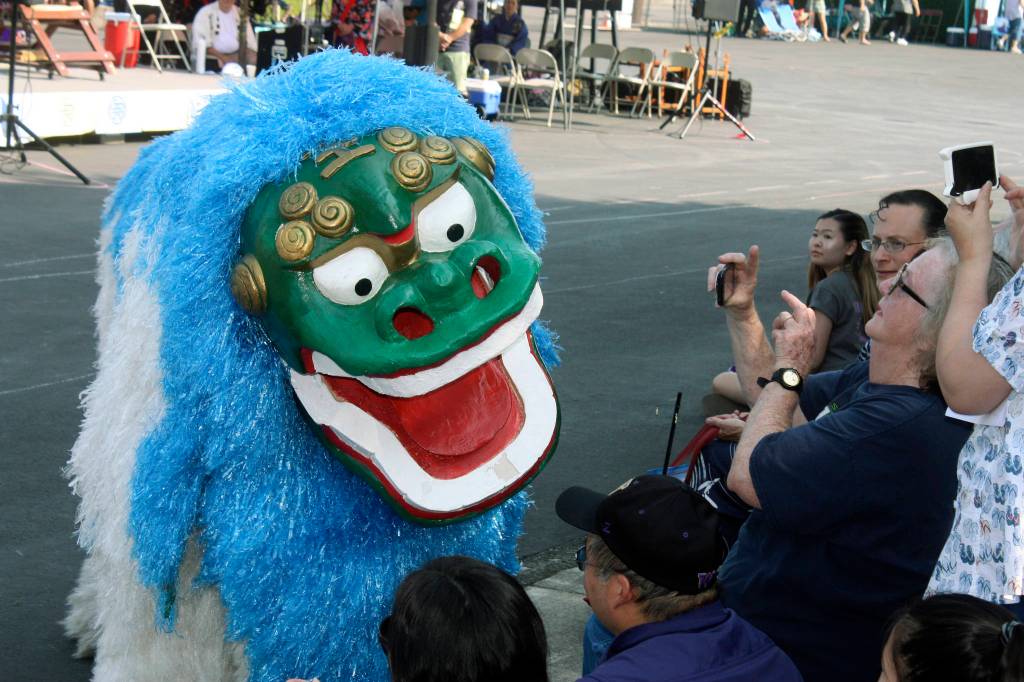
A Shiisa, a lion-like, mythical, spiritual guardian similar to a Chinese Foo Dog, stirs the crowd during the Bon Odori Festival at the White River Buddhist Temple last Saturday. MARK KLAAS, Auburn Reporter
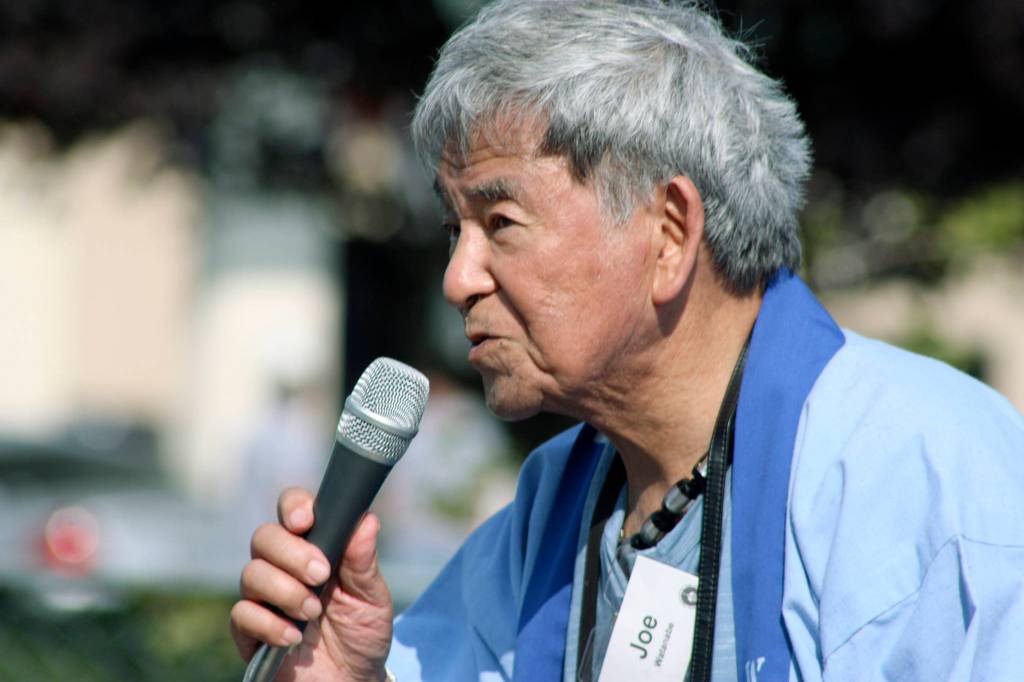
Joe Watanabe, an event organizer, delivers announcements during the Bon Odori program. MARK KLAAS, Auburn Reporter
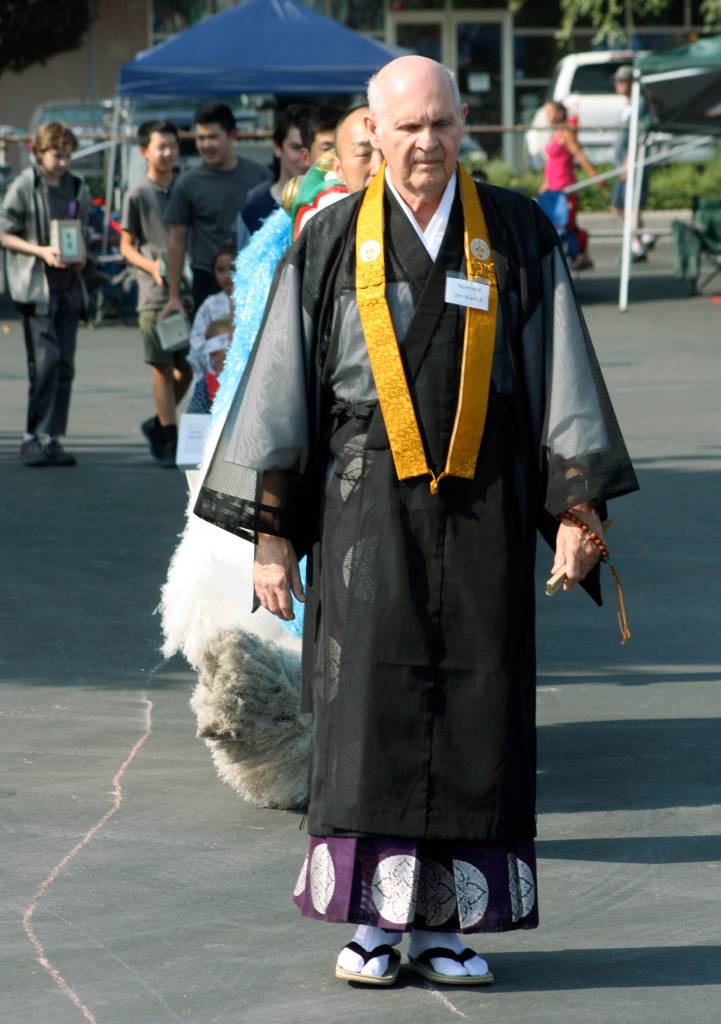
Jim Warrick, the new reverend at the White River Buddhist Temple, leads the Children’s Lantern Parade. MARK KLAAS, Auburn Reporter
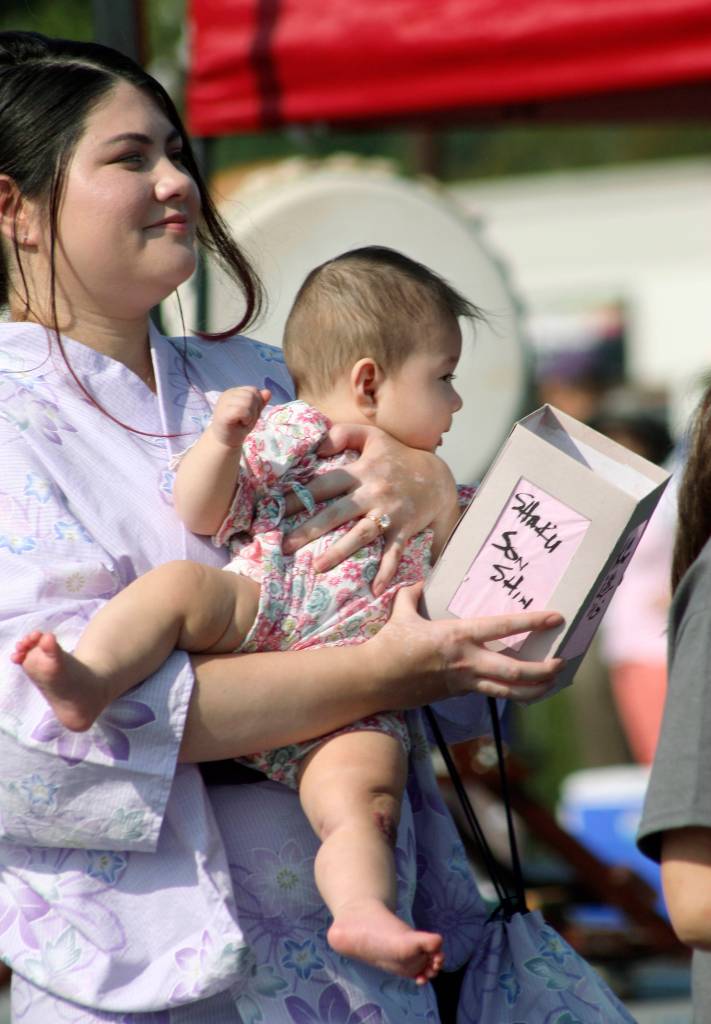
Mother and daughter join the Children’s Lantern Parade, a tradition of the Bon Odori Festival. MARK KLAAS, Auburn Reporter
Joseph Redmond of the Okinawa Kenjin-Kai Taiko group performs. MARK KLAAS, Auburn Reporter
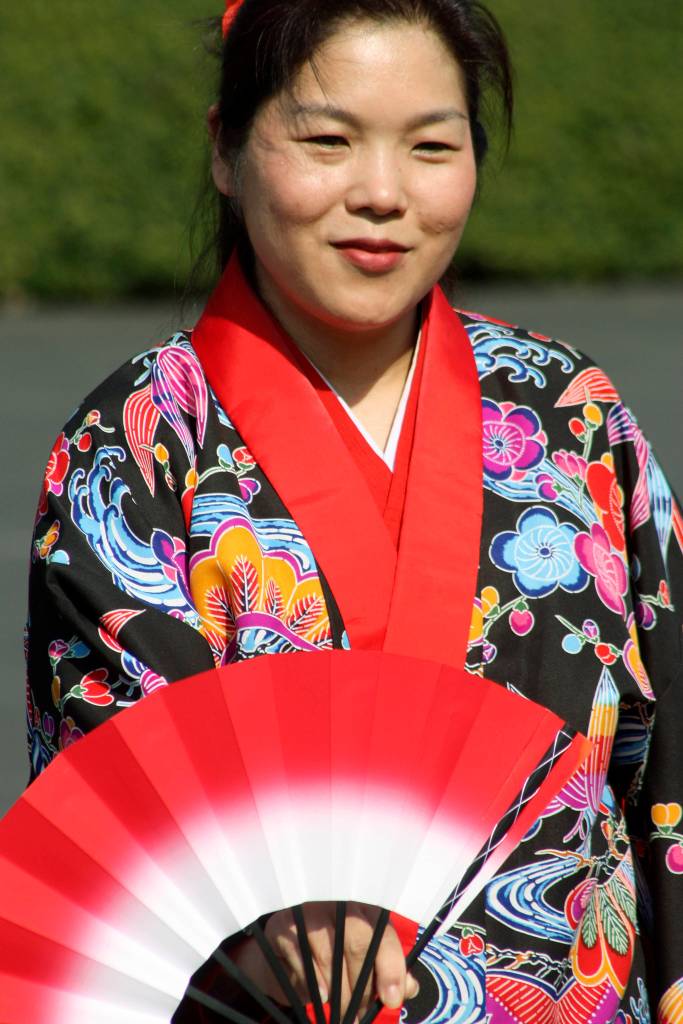
Yuko Redmond of the OKK Taiko group. MARK KLAAS, Auburn Reporter

Auburn embraced the 49th annual Bon Odori Festival, the midsummer celebration of color and song, last Saturday, welcoming back the departed with dancing, drumming and feasting at the White River Buddhist Temple on Auburn Way North.

For Buddhists, O-Bon is a time to reflect upon the dedicated lives of departed ancestors who made present lives possible. To celebrate, Bon Odori draws young and old together to dance, rejoice and remember their ancestors, family and friends.

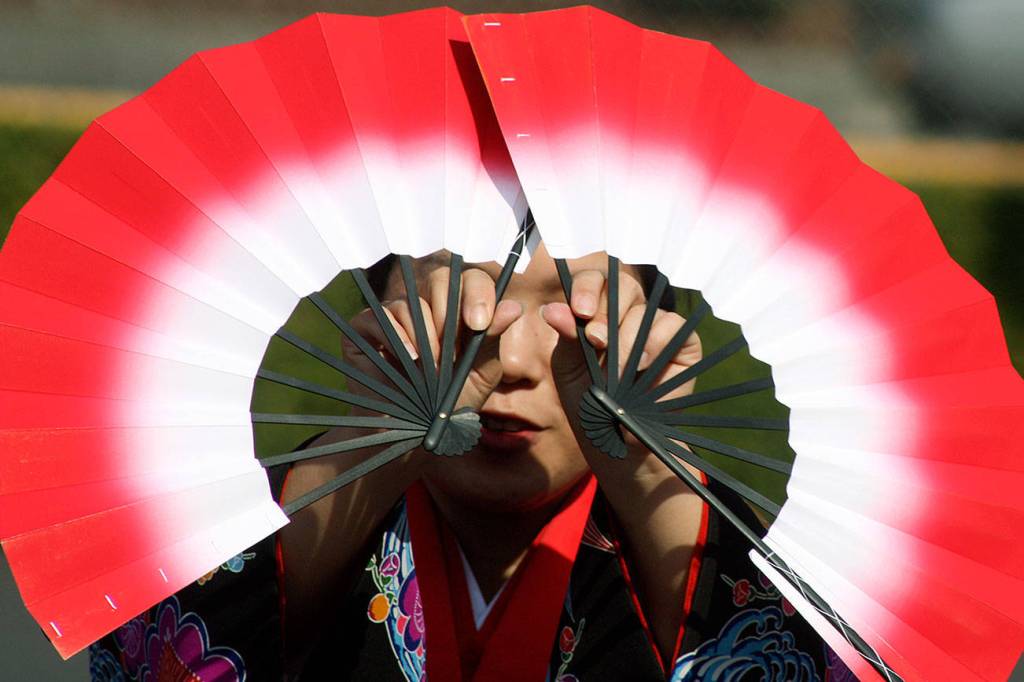
Participants wore brightly-colored kimonos, yukatas and happi coats as they danced to traditional music.

O-Bon is the most popular holiday in the Mahayana Buddhist tradition. According to the Jodo Shinsu tradition, O-Bon is called “Kangi-e” or “a gathering of joy in gratitude.

Bon Odori has been celebrated in Japan for more than 500 years.