State of the City: Auburn mayor touts flood response and growth
Published 9:43 am Thursday, February 26, 2026
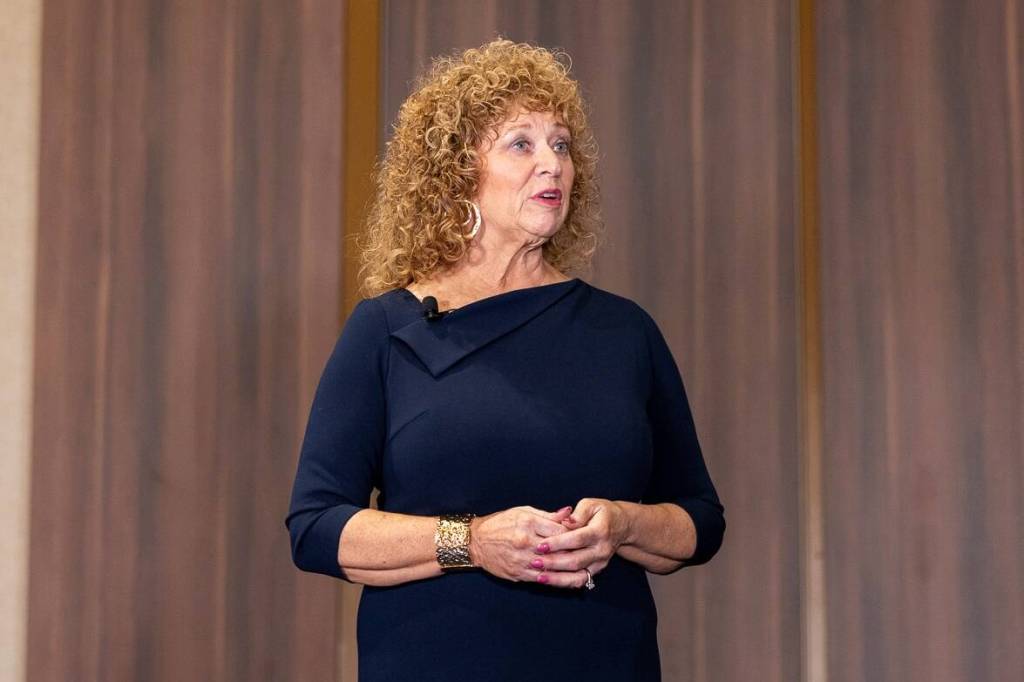
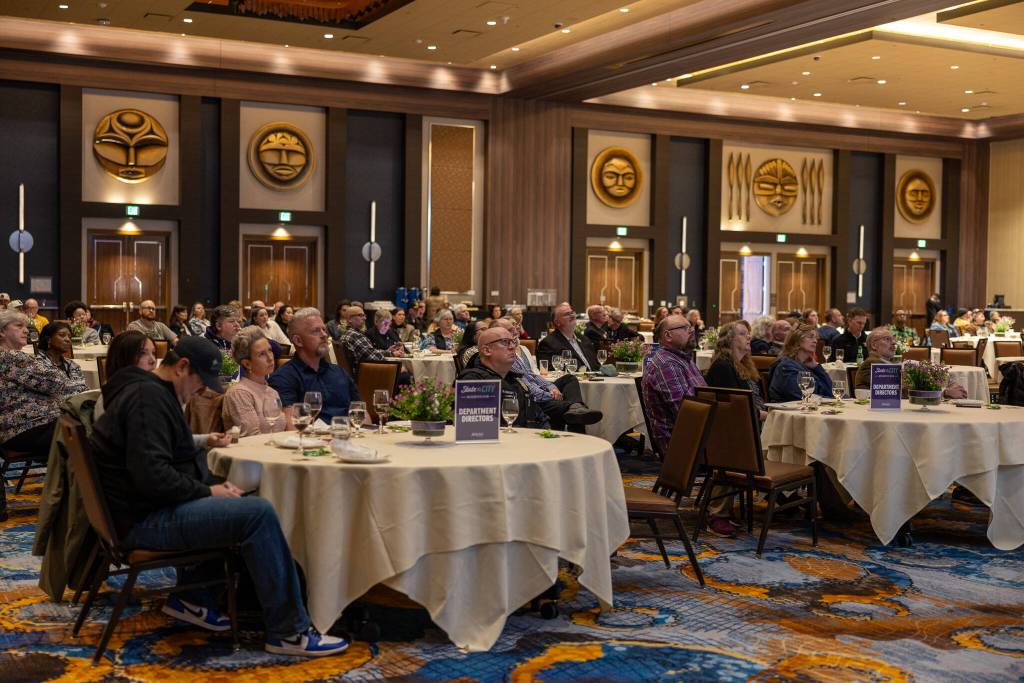


Auburn Mayor Nancy Backus began her annual State of the City address Feb. 25 at the Muckleshoot Casino by directing her audience to look for seeds she had placed on the seats.
Symbolizing the theme of her address, the mayor was showing how “seeds planted today will benefit Auburn for generations.”
Backus then recounted the events of 2025, and described what Auburnites can expect in 2026.
Here are some key excerpts.
Flooding
When the torrential rains that swamped the region in mid-December started to fall and kept on falling, closing roads and wreaking havoc, Backus said, Auburn responded with a multi-day, multi-agency effort that threw everything the city had at the crisis, and engaged nearly all of its employees.
It sent field crews out to monitor river levels and reinforce imperiled infrastructure at all times of the day and night. Personnel in its emergency response center kept beleaguered residents abreast of events by sending out alerts over trusted platforms. And in middle of a Saturday night, the city opened a regional shelter at the Auburn Community and Event Center in Les Gove Park welcome in people of all ages, families of all sizes, even family pets, providing warmth, safety, food and dignity when they needed those things most.
The city’s response to the flood, Backus said, was Auburn at its best, a community effort in the best sense of the phrase.
“This wasn’t just about water levels and sandbags. It was about neighbors. It was about families. It was about making sure no one faced a crisis alone,” Backus said.
While Backus said she never wanted suffer flooding like that again, she added that she would forever be proud of how the city responded: with a plan, with clarity and with coordination.
“Because of that preparation, we didn’t just respond,” she said. “We transitioned from response to recovery.”
A changing downtown
Resilience, Backus said, isn’t just about emergency response. Resilience is also about what Auburn is building and how it does it, long before a crisis arrives.
And nowhere, Backus said, is that resilience more obvious than in downtown Auburn, visible in the the significant progress the city has made in one year on its downtown infrastructure projects.
“(They) may not always be glamorous, but they are absolutely essential,” Backus said.
On Main Street, the city has been upgrading underground utilities that will serve the city decades to come, reflecting long-term investments in reliability and future growth. Above ground, it is transforming how the downtown looks, feels and functions: improving walkability, providing better better lighting, and adding more public spaces designed for people, not just cars.
What’s been especially exciting to see, Backus said, is the excitement and optimism local businesses have shown to Main Street improvements that have encouraged commercial development, including recent projects at the former GSA facility, which will create jobs and stir economic activity in the city. Behind the scenes, she said, the city invests in the systems that support public safety every day.
In 2025, the city began construction on the expansion of its maintenance and operations facility in Southwest Auburn, adding a new six-bay vehicle shop to support Auburn police’s assigned vehicle program. The contractor is GenCap Construction, and the project should open soon, with an investment of about $3.15 million, funded through real estate excise taxes, utility funds, and equipment rental funds.
The city is also preparing for the redevelopment of former GSA site into a new distribution center, transforming it from a long-underused property into a productive economic asset, strengthening the tax base and supporting future infrastructure investment.
One of the most exciting and anticipated projects is the park portion of the Auburn Avenue Theater project, she said: “I’m excited to share that we’ve officially selected both the artist and the public artwork for our new Auburn Avenue Theater and Downtown Park. After a thoughtful and competitive process that drew more than 60 applicants, Washington-based artist John Fleming was chosen.”
Fleming’s piece, “Gathering Tree,” has been designed to reflect Auburn’s natural beauty, its cultural roots, and strong sense of community, and to be a welcoming place where people can gather, rest, and connect. The city is moving into the final approval phase and fabrication, with installation timed alongside construction of the theater plaza and downtown park. This artwork will be one of the first things visitors see when they arrive.
“I can already hear ‘Meet me at the Gathering Tree’ as friends and family convene for a new adventure, take selfies and have graduation photos taken. Public art tells our story and brings energy and meaning to the places we share, and I’m proud of the collaboration that brought us here,” the mayor said.
Residential development
Looking ahead, Backus said, 2026 is also bound to be major year for residential growth with accessory dwelling units that expand housing options in established neighborhoods.
“We are on track to create more than 300 new single-family residential lots, including major developments on Lea Hill, West Hill, and in Lakeland Hills. These projects will provide housing opportunities for families at every stage of life and help Auburn grow in a thoughtful, balanced way. This is what intentional growth looks like: planning today for the homes and neighborhoods of tomorrow,” Backus said.