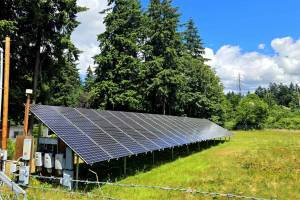
Council extends moratorium related to energy storage
Published 7:30 am Saturday, November 15, 2025
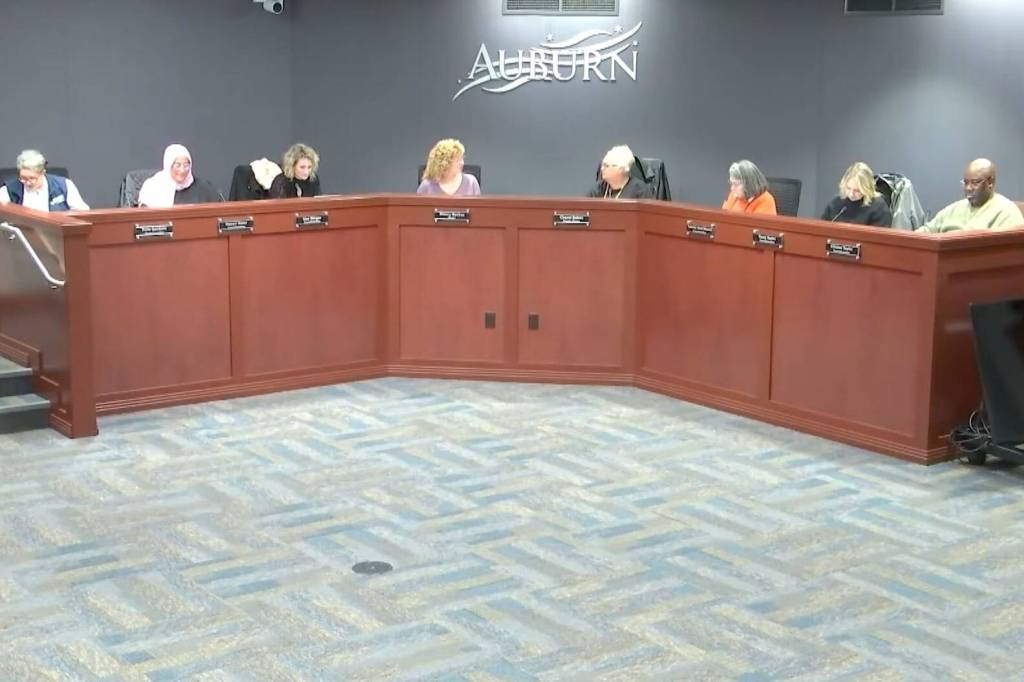
On Nov. 3, the Auburn City Council extended the moratorium it placed on May 10 on any development applications that would seek to develop land and install infrastructure to support energy storage systems here in Auburn.
The purpose is to give staff another six months to redefine certain land use categories so they include recent technological changes and business models for energy storage systems and their supporting infrastructure.
Energy storage systems use common technologies like battery energy storage systems (BESS), thermal energy storage (TES), power conversion systems and control equipment to store excess electricity the electrical grid generates during periods of low demand, or high-renewable energy production, such as from solar and wind sources.
The stored energy can then be discharged when demand is high, or when renewable energy generation is low, stabilizing the electrical grid and improving overall efficiency and reliability.
City officials say that applying the present regulations to new technologies could lead to approval of projects that are undesirable, unsafe and/or inconsistent with the city’s long-term planning goals and objectives.
City officials hope to integrate renewable energy sources like solar and wind into ESS so that when those transitory energy sources are unavailable, the systems could continue to provide power, helping in such cases to manage peak demand and balance electricity grids.
The city council held a public hearing on May 5, 2025, and on May 10 adopted findings of fact identifying the issues it would have to first address before removing the moratorium.
One issue is that as of today, the city lacks specific zoning or development standards applicable to ESS, and without them, they and their supporting infrastructure could end up anywhere in the city. City documents suggest that because of their size, land use, and potential impacts to the life and safety of the general public, it may be appropriate to restrict them to the city’s industrial zones.
Another issue is that a fire involving a BESS presents a significant burden to emergency personnel, as they may burn for an inordinate amount of time, requiring increased lengths of time for monitoring and containment, and leaving other areas of the city vulnerable at high-response times.
Such fires also require exceptional amounts of water to protect other cells from reaching a critical temperature, and to suppress the compromised cell. Given the amounts of water required, the city needs time to determine whether the surrounding water districts have the capacity to provide a constant flow of high-volume water.
In addition, the water used to control the emergency may contain hazardous chemicals and materials such as cyanide and hydrofluoric acid, which could leach into the city’s protected critical areas.
A BESS may create potentially hazardous air-quality concerns in an emergency, and the city has not yet determined what the impacts to regional transportation routes, businesses, and residents would be if an evacuation zone is established.
ESS facilities within the Airport Landing Field District may pose a significant risk to public health, safety and welfare if an aircraft collision occurs.
The city has yet to determine what fiscal or economic development benefits would follow if it permitted ESS facilities in Auburn.