Less anxiety, more hope: 2025 tenth graders report moving in positive direction in Heathy Youth Survey
Published 1:51 pm Thursday, May 21, 2026
Washington’s tenth grade students are reporting less anxiety, less substance use, and more hope than two years ago, according to the biennial Healthy Use Survey.
Results from the survey, which collects student responses to questions about everything from mental and physical health to social media and substance use, were released late April.
“The 2025 HYS results suggest that outcomes in mental health and substance use observed in recent years are holding steady,” the Washington state Department of Health said in a press release. “They also point to teens across Washington having adult support for their health, safety, and school engagement.”
Here are some highlights from the survey for King County 10th grade students (fewer than 40% of seniors participated in the study, so those results were not published).
PROBLEMATIC INTERNET USE
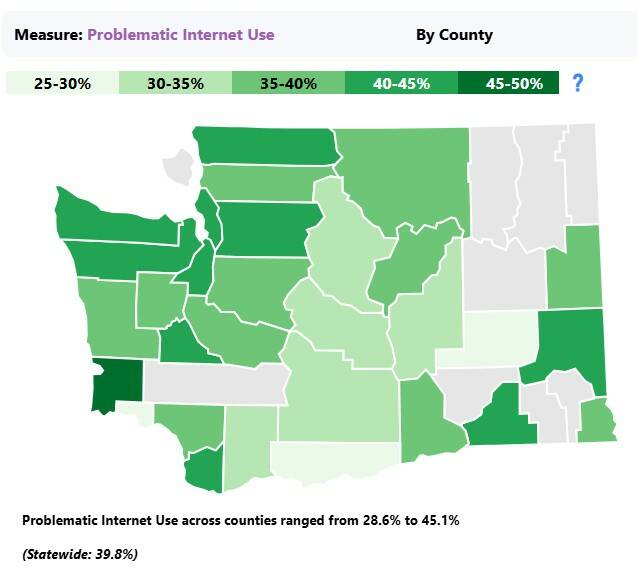
Often on the minds of parents is whether or not their children are safe online or using social media, as problematic use had been correlated to an increase in anxiety, depression, and even suicide.
The Healthy Youth Survey only started asking questions about internet use, social anxiety, and withdrawal in 2021.
The percentage of youth “at risk” of problematic internet use has dropped significantly since then.
More than 53% of King County 10th graders were labeled “at-risk” in 2021, compared to the state’s 47.5%.
That’s now dropped to just under 40% in the recent survey for both groups.
The dip coincides with fewer reports of social media harassment, from 11% in 2021 to just under 9% last year, as well as fewer reported incidences of feeling internet withdrawal, from 8% to 6.6%.
SUBSTANCE USE
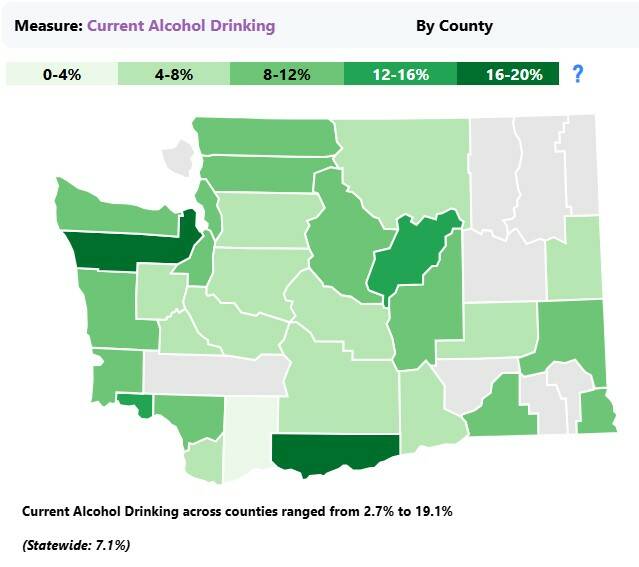
In general, substance use has decreased among 10th graders, both in King County and across the state.
Just over 25% of students reported having any alcohol within the last month when taking the 2010 survey. This has since dropped to under 7% last year.
This appears to coincide with a jump in a negative attitude toward regular alcohol use.
In 2010 – 2018, around 75% of students reported that regularly using hard liquor at their age was “wrong” or “very wrong.”
Last year, nearly 88% of King County 10th graders gave the same answer.
Reported marijuana use is also down. Between 2010 and 2018 — pre COVID-19 — marijuana reports only slightly decreased, from 18% to 13%.
After the pandemic, reported use sharply declined to 7% in 2021, and dropped to under 4% last year.
This decrease also follows a rising negative attitude toward regular marijuana use, with the percentage of students saying it’s wrong for someone their age to regularly use marijuana jumping from 70% in 2018 to more than 87% last year.
Finally, after a rise in reported e-cigarette and vape products use — from less than 5% in 2012 to 16% in 2018 — reported use is back down to under 5%.
ABUSE AND DATING VIOLENCE
More 10th grade students are reporting seeing an adult physically hurt another adult in real life (as opposed to media).
Across the state, less than 22% of students reported adult violence. This has increased to just about 27% last year.
King County tenth grade reports followed the same trend, but at lower levels: 20.6% in 2021, and 25% last year.
FEELINGS OF HOPE
The Healthy Use Survey started asking about students’ feelings toward the future in the 2018 survey.
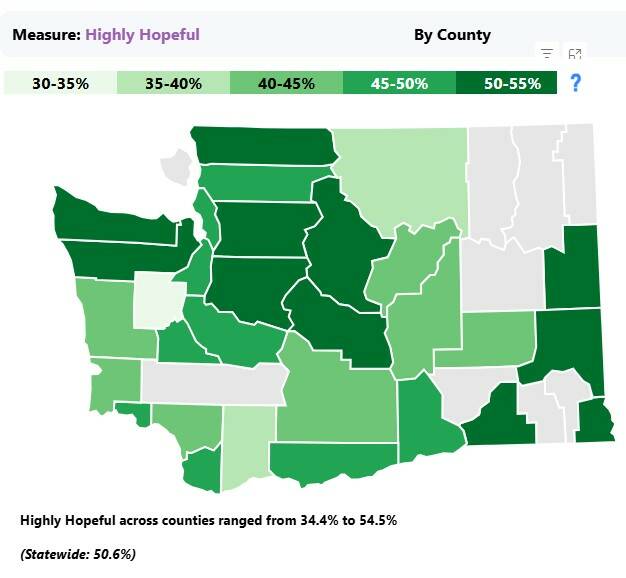
Over 49% of King County 10th graders reported feeling “highly hopeful” at the time.
The number dipped slightly in 2021 and 2023, but rose to 54% last year.
This correlates with a drop in students feeling “no or very low hope” for the future, from a high of 6% in 2021 to 5% in 2023. The percentage stayed even in the last survey.
Statewide, students reported lower levels of high hope and higher levels of low hope than King County students alone, but stuck with the trends.
The increased reports of “highly hopeful” King County tenth graders coincides with a drop of students feeling like they don’t have an adult to turn to when they feel depressed (14% in 2021 to just under 9% last year); a dramatic dip in students reporting anxiety (72% in 2021 to 57% in 2025); a decrease in depression reports (35% to 22%); and fewer reports of suicide contemplation, planning, and attempts.