
Closer look at Auburn’s approach to code compliance
Published 1:30 pm Friday, February 27, 2026




At some point, complainants make clear to the Auburn Code Compliance officer standing there, or on the phone, or at the business end of an email, that they have had more than they can stomach of the “yecch” that code scofflaws are making of their city.
Like the graffiti on the neighbor’s fence, or that rusted dandelion-sprouting shell-of-a-car, or that weed-wild lot across the street, or those unattended piles of garbage that have festered for weeks or longer, breeding rats and other pests that nest in stink.
The complainants want the city to get on it.
On Feb. 23, Chris Barack, manager of the city’s code division, and his two officers, George Winner and Jarod Thomas, came to the Auburn City Council study session to talk about how they “get on it” and bring the mess, whatever it is, big or little, back into compliance. This is usually accomplished without fines or tickets, as most people want to deal with the problem, they said.
Common complaints
Among the most common issues, said Thomas, are runaway grass and weeds. All that the city code demands, he said, is that tall grass and weeds be cut down to 6 inches or less; it doesn’t say the result has to be pretty.
Another common complaint, Thomas said, centers on inoperable vehicles, but there is a wrinkle here that requires careful consultation with the owner. A truck or a car could be sidelined for routine maintenance, like a break pad or an oil change, and be back on the road within hours, while another may require a lot more work and time to be street-ready again.
Graffiti is, of course, a citywide issue, he said, and the code requires that every bit of the writing be covered or removed within two hours.
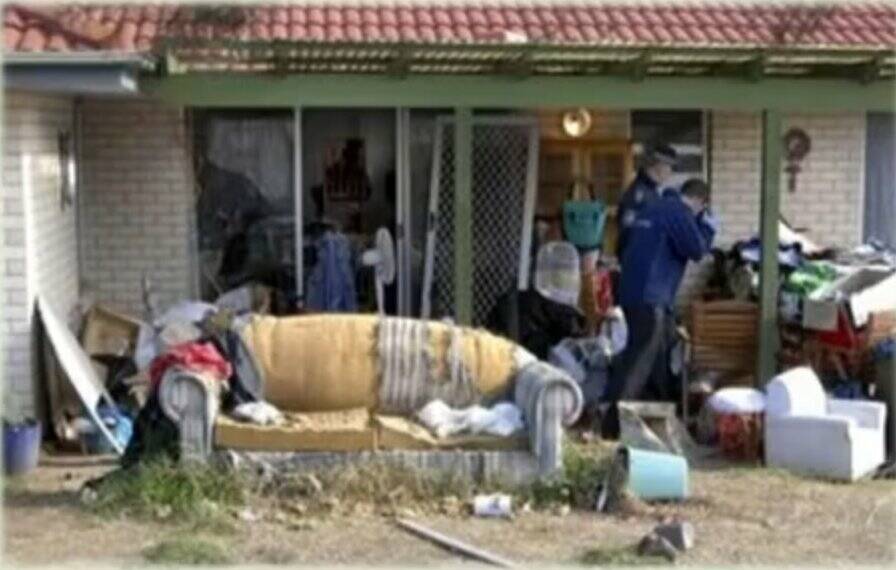
Dealing with nuisances such as junk or litter can be tricky, Thomas said, and it’s important for officers to remember that one’s man’s garbage may be another man’s treasure.
“A couch most people wouldn’t want to sit on may be another guy’s outdoor furniture,” said Thomas.
Broken or uplifted sidewalks pose another safety hazard, so officers will work alongside the city’s street team and traffic engineers to reach a resolution with the owner to correct the problem.
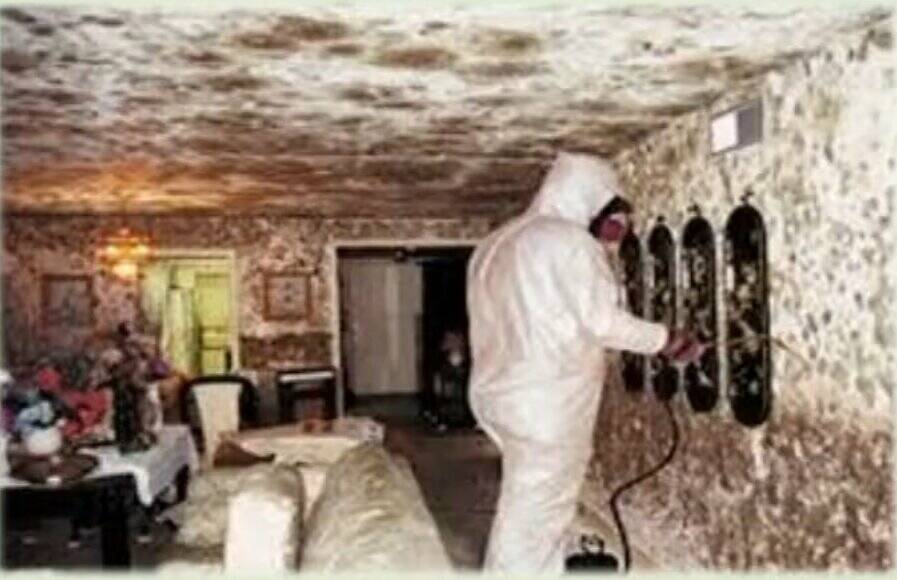
Officers dealing with mold in rental units must first determine whether a leaking pipe or a hole in the roof is responsible, or whether the tenant is at fault, and work with the property manager to get the matter resolved.
And as for insect infestations in rental units, the officer must figure out whether the problem is endemic to the site, or, for example, whether the renter brought the pests in on a piece of furniture.
Auburn’s code compliance officers also deal with business license violations.
Tough job
The job is not always easy, said Winner, considering that the rules and violations take up about 200 chapters of the city code, and 400 chapters of the International Code Auburn has adopted, not to mention the National Healthy Housing Standard, the Uniform Plumbing Code, and the Washington State Energy Code.
“We certainly don’t know everything by any stretch of the imagination, but we know who to turn to if we do come across an issue we’re not familiar with,” said Winner.
While an officer may be able to identify whether a permit is needed, for example, for a build, Winner said, he may not know everything else that goes along with that permit. So, to gather the nitty-gritty, that officer will ask someone from the building division about the relevant sections of the city code.
The process
However a complaint is received, the code division manager first decides whether the matter merits an investigation, and if it does, he mails out a violation letter or calls before officers visit the property.
After making contact with the owner, the tenant, or the property manager, the officer will talk with them about the violation, ideally giving them clear directions and expectations for compliance.
Timelines based on a verbal agreement are typically issued within one to to five calendar days of the meeting, depending on the situation.
Types of corrective action
Penalties range from a $100-a-day civil penalty to $250 per day for a civil infraction.
There are three types of abatement, Barack said, but the city, recognizing the possibility of mitigating circumstances, does everything it can not to reach this stage.
If the property owner agrees to allow the city to abate the violation(s) to gain compliance, all costs are reinvoiced to the owner and payment is due in 30 days. If there is no payment, costs will be assessed to the property by way of a lien.
In the case of a vacant parcel for which the city can’t find or contact the owner — generally used for trash, junk, litter, illegal dumping or grossly overgrown vegetation — costs are assessed to the parcel by way of a lien.
Court-ordered abatement: When voluntary compliance is not obtained, the city’s legal department presents the case to a King County Superior Court judge to obtain an abatement warrant. Once a warrant is obtained, city staff abates the property. After abatement, invoices for costs, including penalties, are sent to the owner, and if not paid in 30 days, a lien is filed.