Auburn mayoral candidates share vision for the city
Published 3:27 pm Thursday, July 17, 2025
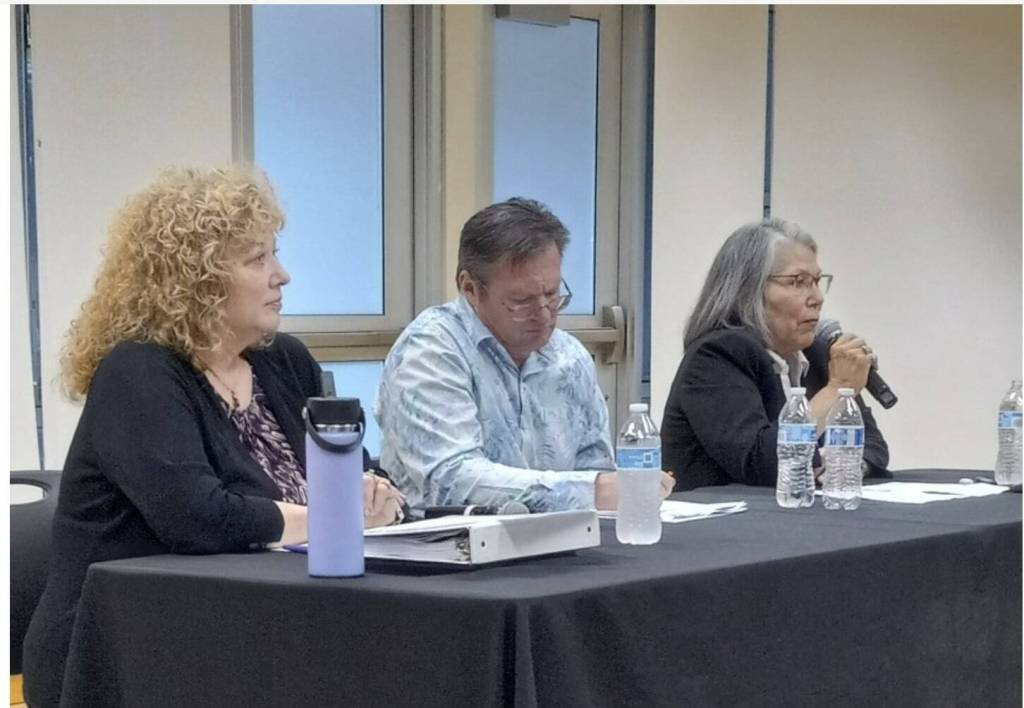
During the Auburn Area Chamber of Commerce-sponsored debate at the Auburn Senior Center on July 9, the three candidates for Auburn mayor fielded questions about taxes, public safety, youth and the need for decent-paying jobs.
What most of the more than 90 people who showed up for the debate will most likely carry away from the event, however, is the moment when an hour-and-a-half of general civility among the candidates — Mayor Nancy Backus, Councilmember Yolanda Trout, and political newcomer Ron Morgan — got personal.
The indelible moment came when Morgan described the mayor’s full-time job as “part time,” drawing repeated head-shaking from an incredulous Backus, and peals of laughter from the audience.
“That is so wrong,” Backus responded under her breath.
Backus, well known for stressing the 24-7 nature of the position, waited until the debate was over to confront Morgan face-to-face about the gaffe, and even at a distance, it was clear that he acknowledged the error.
One audience member who did not offer their name for print in the newspaper called that moment “horrible.”
The event occurred weeks out from the Aug. 5 primary election that will whittle the field of three candidates to the top two vote-getters, who will then advance to the general election in November.
Backus’ platform emphasizes economic development, attracting and retaining police officers, taking advantage of new technologies to help police do their jobs, securing grant funding to reduce congestion and improve roadways, and collaborating with other cities to reduce crime.
Trout, an Auburn City Councilmember since 2014, is running on a platform focused on community engagement, public safety, and economic revitalization.
Ron Morgan, a local businessman and entrepreneur, is running on a platform focused on transforming Auburn “into a thriving and safe community.”
Here are selected highlights from the candidates’ answers posed by Chamber Director Kacie Bray.
How would you describe the current state of crime in the city, and what’s the first action you would take as mayor to improve things?
Backus referred to an annual report the FBI puts out that shows crime Auburn was reduced by roughly 16 percent overall in 2023-2024. And while one year does not constitute a trend, the mayor is confident the the city is headed in a positive direction,
“We are hiring more officers,” Backus said, noting that in the last mayor’s budget, she asked for 10 additional officers — there are now 128 officers for a city of about 90,000.
“Is that enough? No. Officers are expensive,” Backus said.
So, in addition to the additional officers, Backus continued, the city is now investing in new technology, including license plate reading cameras, and take-home vehicles so officers can be on the job as soon as they hit the city limits and be where they need to be faster than before.
“We need to give officers every tool they need to do their jobs,” Backus said, speaking with pride of the new officer-wellness coordinator whose job is to ensure the city is taking care of its officers, both physically and mentally.
Trout agreed that every officer needs to be equipped with every tool they need to go out and keep the city safe, and pledged to do that were she to be elected as mayor.
But Trout painted a less positive picture of the present situation. She said she has been hearing from elderly people who live across from City Hall and likewise from young women that they don’t feel safe in the city.
“We need to make sure we have policies in place to help our people to feel safe,” said Trout, adding that the city must hold wrongdoers accountable for their actions.
Morgan said people are hearing an uncomfortable number of sirens day and night.
“Murders used to be a rare occurrence here, and now it seems like there’s one about every month,” Morgan said.
He said the research he did before he decided to enter the race for mayor showed him that since 2018, there has been a near 200 percent increase in violence in the city.
“We need to collaborate with other cities to see what they have done to decrease crime,” Morgan said, adding that the city needs to implement such positive steps instead of increasing the police budget.
What strategies do you propose to increase city revenues without overburdening residents and businesses?
Morgan emphasized public-private partnerships, and coming up with new and creative ways to generate revenue for the city without relying on taxpayers.
The city, Morgan said, needs to do a better job at bringing in job-creating businesses, training young people for those jobs, and providing youth with activities, including sports, to keep them on the straight and narrow.
Jobs, Morgan said, are essential to reducing poverty and ending homelessness.
“The more jobs we create, the more money we create,” Morgan said.
Trout picked up on the business recruitment theme, and emphasized that the city budget must continue to meet the needs of the community, and the mayor must see to it that the city’s business is being run as it should be done.
Trout said the city has to do a better job at bringing in more businesses and working with them as they set up shop here to ensure they stay open. But, she added, the city needs to “be very careful” when it weighs whether to impose impact fees on businesses — fees that help pay for streets and sidewalks, but also burden businesses.
She accused Backus of being unresponsive to the needs of businesses and indifferent to the unhappiness of the many people and businesses she said have left Auburn on Backus’ watch.
Trout noted later that in 2021, she opposed the city’s imposition of the current B&O tax because, she said, it placed a heavy burden on businesses that were already struggling to keep their doors open during the pandemic.
For her part, Backus spoke with pride of her stewardship of the city, including the B&O tax. Over the course of the last few years, she said, the tax has brought in roughly $10 million annually to the city, even as expenses continue to rise. The city itself, she noted, is only allowed to increase the property tax by 1 percent per year, and only on the 11 cents to 12 cents of each property tax dollar it receives back from the Department of Revenue.
“It is critical for city staff and council to make sure we are not raising expenses in ways we should not be,” Backus said. “We are very responsible with our budget. We balance the budget every year — we have to.”
Backus said the city will soon change to a zero-based budget, with the consequence that no presently-existing program will be guaranteed to continue from the prior year. In fact, she said, in the future each program will have to be defended every two years to ensure the city is not raising taxes.
To counter the claim that she has been insensitive to the needs of businesses, Backus pointed out that the city has an economic development team that “is working every day with small and large businesses to bring in new revenues.”