In the Aug. 5 primary election, three candidates are vying for Auburn City Council Position 4: Erica Tomas, Brian Lott and Yuval Fleming. The top two finishers in the primary will advance to the November general election.
Below are the candidates’ responses to questions sent by the Auburn Reporter.

Erica Tomas is running for Auburn City Council Position 4. Courtesy photo
Erica Tomas
Q: Why do you want to be a member of the Auburn City Council?
A: I have worked in state government for the past seven years, and my time at the Department of Health has taught me that all of our programs can’t make meaningful change without good policies to support them. I am running for city council to make those policies that will improve walkability and public transit, increase affordable housing while also building supportive infrastructure like grocery stores and community spaces, and invest in community services to keep people housed, healthy and happy.
Q: What are the five greatest challenges the city faces at this time, and what would you do as one member of a council of seven to make things better?
A: Like most of South King County, Auburn is being hit with an affordability crisis as people get priced out of Seattle. That lack of affordability also contributes to more people losing stable housing, putting greater strain on our community services. On council, I would push for increased housing supply, especially with mixed-use buildings or multiplexes that can fit in different neighborhoods. I’d also call for a greater investment in our Human Services and Community Services programs to help people who are unhoused, and to connect our residents with assistance that keeps them from entering the cycle of homelessness.
Additionally, Auburn and the east side of I-5 are being left behind as light rail expands out to Federal Way and Bellevue; meanwhile, we only have two bus lines that run through the city. I will push for increasing public transit options across Auburn and throughout South King County to help reduce the reliance on cars, improve street safety, and build connections across our communities.
Q: Given concerns about public safety and rising crime rates in Auburn involving teen violence, break-ins, shootings, etc., as voiced in recent public forums, what would you do, indeed, what could you do, to make things better?
A: I firmly believe that that we should be addressing the circumstances and despair that drive people to crime. Violence interrupters and other community-based violence intervention programs have been used across the U.S. to reduce gun violence, and also build more resilient individuals and communities. I would like to see Auburn invest in programs like these to help youth, and adults, break the cycle of violence and crime.
Q: How would you help strike the necessary balance between Auburn’s simultaneous needs for growth and development and for preserving what’s best about the city?
A: My favorite parts of Auburn are the parks, the community spaces, and the local businesses and restaurants my family frequents. As we build more housing and increase density, we need to be simultaneously making more of these community gathering spaces. Investments need to go beyond revitalizing downtown Auburn, but out to other community spaces in South Auburn, Lea Hill, or Lakeland, so the best parts of the city are accessible to everyone, no matter what part of Auburn they live in.
Q: What experience do you have working with large budgets?
A: In my volunteer role on the Auburn Human Services Committee, I’ve had the chance to work with my committee members on $500,000 to $1 million budgets. That time has taught me how to make the hard decisions on balancing doing the most good with limited funds, and when it’s better to invest more dollars in fewer projects to achieve greater impact. I also have worked with multimillion-dollar federal grants in my job, and similarly have to consider how to help the most people with a limited budget.
–
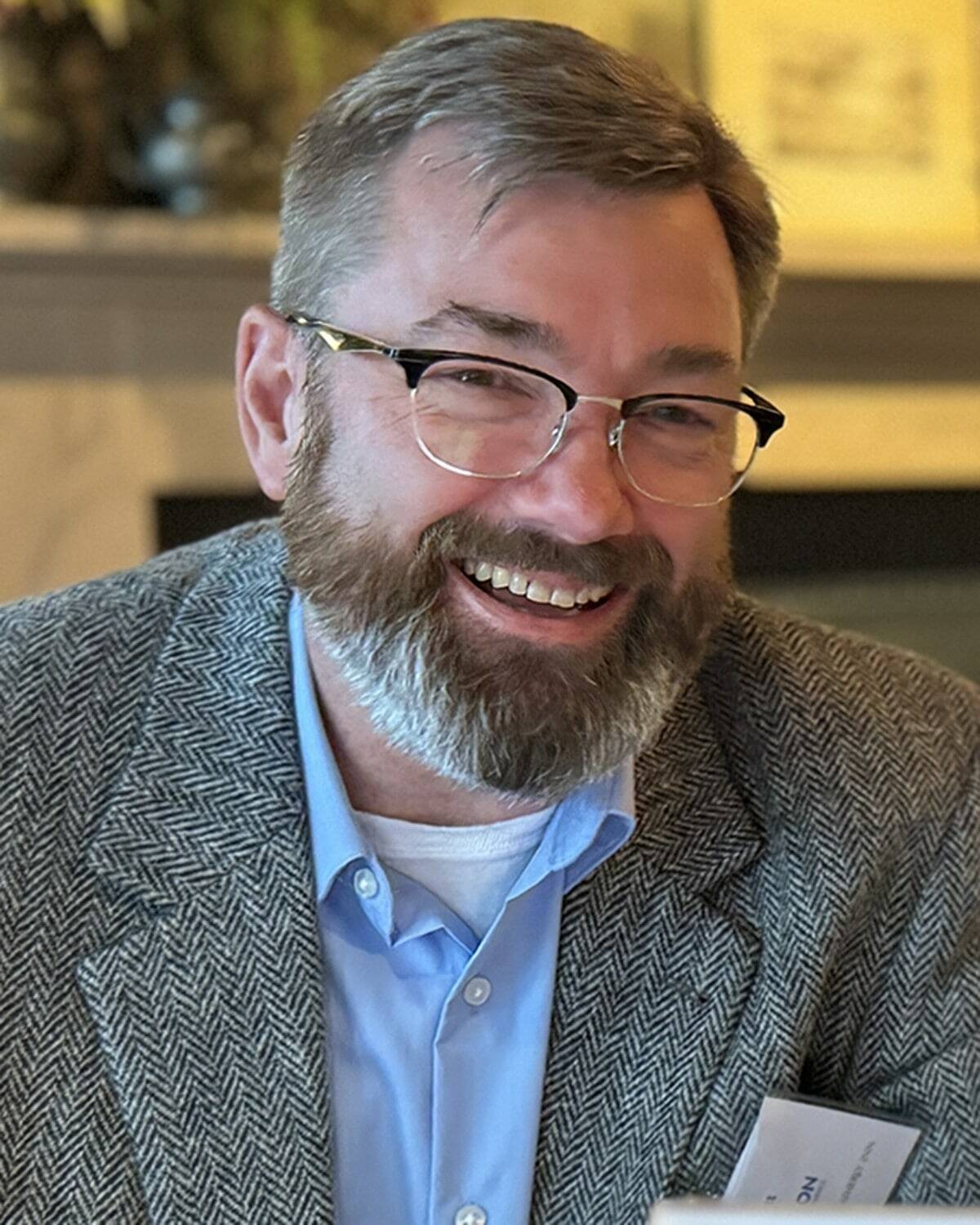
Brian Lott is running for Auburn City Council Position 4. Courtesy photo
Brian Lott
Q: Why do you want to be a member of the Auburn City Council?
A: I’m running because I care deeply about the direction Auburn is headed, and I believe I can make a difference. I’m a husband, a stepfather, and a professional problem-solver with a background in large-scale project management. I want to bring that same practical, results-driven approach to local government. Auburn is facing serious challenges, from crime, to economic stagnation, to a growing disconnect between the city and its residents. I want to be a steady, solutions-focused voice on the council, someone who listens, asks the hard questions, and puts community needs above politics. Auburn deserves leadership that’s transparent, accountable, and committed to restoring trust and momentum.
Q: What are the five greatest challenges the city faces at this time, and what would you do as one member of a council of seven to make things better?
A: Crime and public-safety concerns, including youth violence and property crimes, a growing homelessness crisis that demands both compassion and accountability; economic stagnation – especially in our downtown core – and a lack of support for small businesses; a deepening sense of distrust and disconnect between residents and their local government; and the increasing cost and inaccessibility of housing for working families and seniors.
As one member of a seven-person council, I would focus on practical, balanced solutions that reflect the community needs and values. That means listening to residents, asking tough questions, and working collaboratively. Auburn doesn’t need quick fixes or political grandstanding — it needs thoughtful leadership that’s focused on results and accountability.
Q: Given concerns about public safety and rising crime rates in Auburn involving teen violence, break-ins, shootings, etc., as voiced in recent public forums, what would you do, indeed, what could you do, to make things better?
A: Public safety doesn’t start at the police station; it starts in our neighborhoods. I’d support a two-part approach: first, giving our police the staffing, tools, and training they need. Second, investing in prevention, after-school and job-training programs for youth, mental health services, and stronger partnerships between the city, schools, and nonprofits. No one person can fix the issue, but I’d work to ensure the city is tackling it from every angle and staying responsive to our community.
Q: How would you help strike the necessary balance between Auburn’s simultaneous needs for growth and development and for preserving what’s best about the city?
A: Growth is inevitable, but displacement isn’t. We need to be strategic about where and how we grow, making sure development fits Auburn’s character and strengthens our infrastructure. I support thoughtful zoning, incentives for local businesses, and protecting our historic neighborhoods and green spaces. I’d work to make sure residents have a voice in the process — not just a seat in the audience.
Q: What experience do you have working with large budgets?
A: With 19 years and more managing budgets totaling $191 million, I’ve developed disciplined financial oversight. I previously managed an $8 million annual budget, focusing on forecasting and cost optimization. As a senior project manager, I helped lead a $300 million transportation project, coordinating with city, state, and federal agencies. Treating funds as thoughtfully and carefully as I would my own, I delivered strong returns on investment. This experience equips me to manage Auburn’s resources responsibly.
–
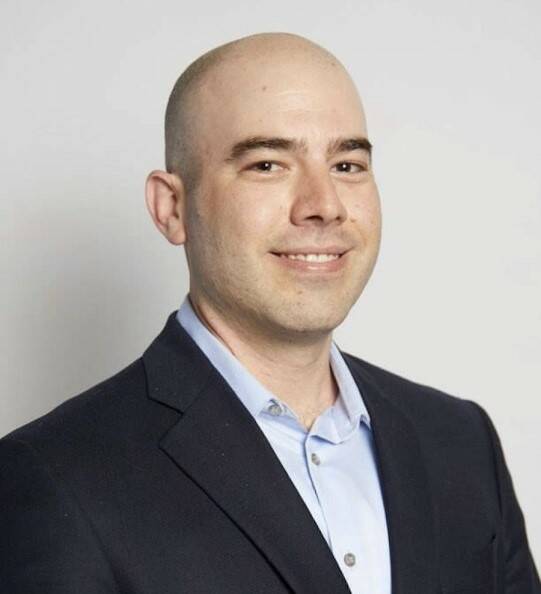
Yuval Fleming is running for Auburn City Council Position 4. Courtesy photo
Yuval Fleming
Q: Why do you want to be a member of the Auburn City Council?
A: My wife and I have called Auburn home for over a decade, and it is where we have decided to plant roots and raise a family, which includes my two children, who attend school in the Auburn School District. I am proud to call this city home because the community is kind, diverse, tolerant, compassionate, and dedicated to creating a community that provides opportunities for everyone to prosper. I feel this is a sacred place for its pristine natural beauty and the rich history of the first-nations people who have called this area home for thousands of years.
Our proximity to ports of entry, major centers of manufacturing, tech hubs and the industrious and innovative character of the people that live in the Pacific Northwest provide great economic opportunities. I have been a leader in the military, private sector and government and I am eager to connect with residents, conduct constant and persistent public outreach and strive to listen to the community and provide adequate representation as well as conduct thorough oversight of the city departments to ensure that the city is providing quality and efficient services to the public. Last, I am running for office to lower taxes and the cost of living. Too much of a financial burden is being placed on the working class, and I vow to oppose any tax increase that I feel disproportionately affects the working class.
I am running for city council because I believe I have new ideas and fresh perspectives to address these critical issues.
Too much of our public policy is rooted in ideas from the past that need to be drastically changed so that future generations have opportunities and a clean and safe community to live in. One of the major reasons I am running is I have been disappointed in the transportation and land-use decisions the city continues to make. Our few remaining open spaces and farmland are being irresponsibly developed into warehouses that don’t provide high-paying jobs and pose a tremendous cost on the community. The city continues to squander resources on a transportation network that does not decrease congestion and actually encourages drivers to use our residential streets as a shortcut. This brings a financial burden to the city and a danger to our children and young people while also lowering our quality of life while increasing air and noise pollution around where we live.
Q: What are the five greatest challenges the city faces at this time, and what would you do as one member of a council of seven to make things better?
A: While there is much to admire about the city of Auburn, there are also many areas that we need to improve, specifically, transportation, the environment, public safety, and most of all the cost-of living-crisis. The sky-high cost of housing and high taxes that unfairly burden the working class needs to be addressed immediately.
Current city leadership lacks vision and ambition to put forward a transportation policy that supports active transportation modes such as walking, biking and using public transportation. The city continues to spend a major portion of its budget on projects that increase traffic, causing more pollution, noise and putting our community at serious risk of injury or death.
Q: Given concerns about public safety and rising crime rates in Auburn involving teen violence, break-ins, shootings, etc., as voiced in recent public forums, what would you do, indeed, what could you do, to make things better?
A: We need to be proactive and provide activities and places where young people can spend their time, much of this violence occurs at night when few places are open for young people to congregate. For example, midnight basketball is something I have seen work in other communities that allows young people to play sports with friends at night. We need to be creative to prevent crime and also identify high risk individuals who may be most prone to committing acts of violence.
Q: How would you help strike the necessary balance between Auburn’s simultaneous needs for growth and development and for preserving what’s best about the city?
A: We need to be excited that we live in a high-growth part of the county, which means there are assets and qualities that attract people to our part of the county. I think global warming is going to push more people to this part of the county as we are relatively safe from excessive heat, fire and flooding. I believe we should encourage more density, specifically middle housing, including townhomes and accessory dwelling units as these use land more efficiently and provide more affordable housing. Car ownership is a major financial burden for individuals, families and the community. We need to invest in more public transit, specifically more frequent buses, more Sounder service, including evenings and weekend, better transit facilities and streets that are safe for people to walk and bike on.
The natural beauty, the scenic views of Mt. Tahoma, and the abundant wildlife including the salmon that rush up the Duwamish River each fall are something I will never take for granted
Q: What experience do you have working with large budgets?
A: I have over a decade of project management experience in the military, private sector and government. In all of these roles I have worked extensively to create plans and projects that adhere to strict financial budgets.