Renton looks to Auburn for homelessness solutions
Published 7:30 am Saturday, September 20, 2025




The city of Renton is looking to Auburn as a model for a better way of dealing with homelessness.
At a “Talks on the Block” event on Sept. 2, Renton Mayor Armondo Pavone said officials are looking to change the way they handle homelessness in the city by implementing a program similar to the approach in Auburn.
“They’ve kind of fixed it in Auburn. It’s a completely different model,” Pavone said.
Auburn Director of Human Services Kent Hay led the charge in revamping the homelessness outreach in the city of Auburn. Hay said they have a different approach to homelessness in Auburn with a focus on compassion, but also accountability.
“We have rules over there. People participate in cleaning up during the break times,” Hay said. “This is a low-barrier shelter, but we don’t allow people to use [substances] on the property or in the building and if they do, there’s consequences to that.”
Hay said they make it difficult for people to be in the system and not participate. He also said continued drug use on the property can result in people being banned from using their services.
“We want this as a place for people to come and get services and then let us help you get you out of here. This is not your forever home,” Hay said. “If you start turning down housing options that are presented to you, then you don’t need to be here because we need to make space for other people who want housing.”
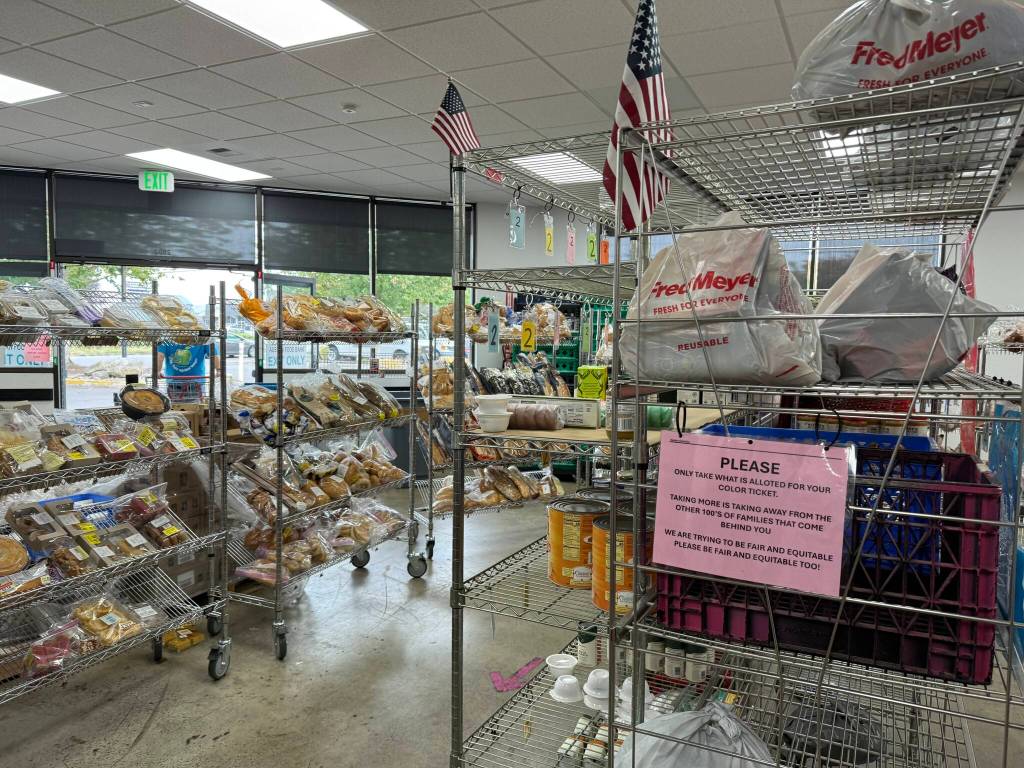
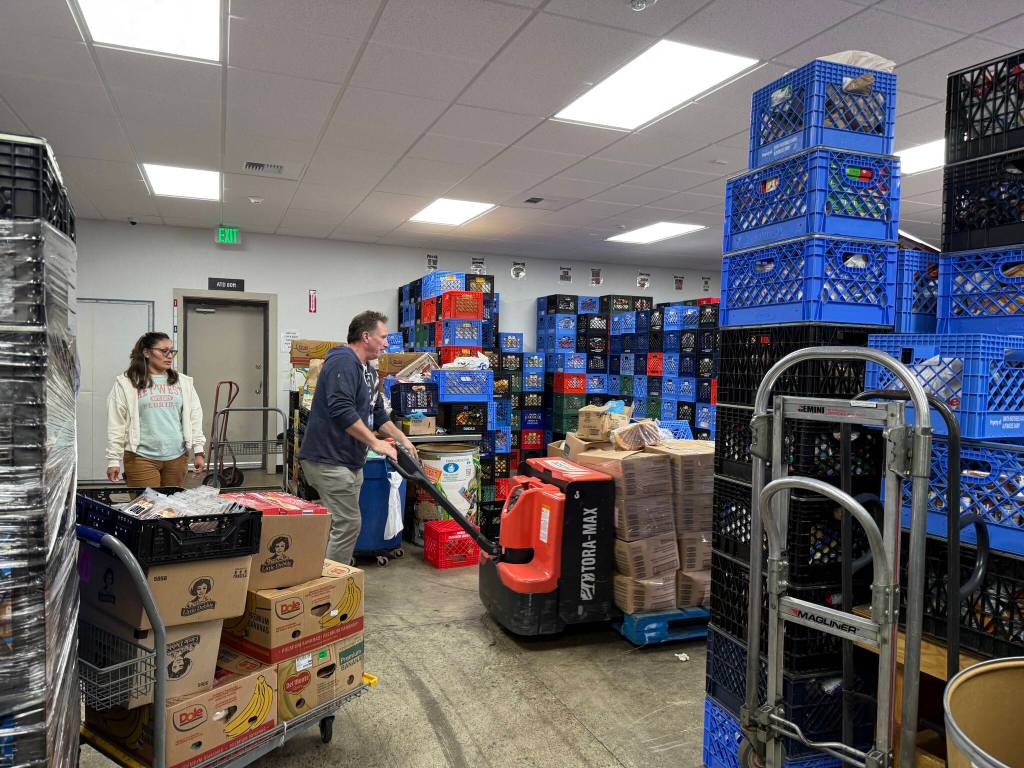
Hay said the program began with the purchase of the building at 2806 Auburn Way N. to be used as a food bank, resource center, community court, a day center and an overnight shelter for those wanting to get off the streets. The program is funded by the city of Auburn, while other cities outsource other organizations to deal with homelessness, including Renton.
“For the last 10 years we have increased our funding to service providers,” Pavone said. “When I first got on council, it was $80,000 to $100,000, then it was $300,000 and it continued up. We push out about $1,000,000 out into our service providing community to provide services to help the homeless population.”
Hay said these nonprofits might not always have the city’s best interests in mind because they have to meet requirements for funding first.
“I think as a city approach, we are responsible to the whole city,” Hay said. “The whole city matters and we don’t care about the numbers. Our job is making sure people are getting assistance, getting into housing and getting out of here.”
According to a report by the city of Auburn, they have made contact with 1,366 people, sheltered 472 people and housed 205 people in 2024.
Hay said he built the program in Redmond in 2016 before heading to Auburn in 2020. He was inspired to create the system because he wasn’t seeing results in cities’ homelessness approach while working different criminal justice and human service jobs during the past 25 years.
“I am results-driven,” Hay said. “We pay a lot to service providers and we don’t see a lot of outcomes. Yes, there’s a lot of numbers doled out about all the things and most of that is just giving people things, but it’s not really helping people get out of this situation and stay out of the situation.”
Hay said he knows taxpayers want to see the results and their safety in public areas is important.
“People in the community want to use the parks, they want to use the facilities the way they were intended to be used,” Hay said. “We don’t just accept that you want to put a tent next to the river and have a waterfront property while people are going to work.”
Hay said it also is a priority to tell the people who are homeless in Auburn that they are still a part of this community and that they don’t get a pass for being homeless. He said one of the challenges for Auburn when he was launching this program was getting the different departments in the city to work together to fight homelessness.
“Homelessness is one (issue) that touches every department and so getting everyone on board to understand it affects public works, it affects the police department,” Hay said. “I think just making sure other departments understand the value of having this department and outreach workers, and how much we can help those departments and work together in unison to make the city better.”
Hay said getting Auburn’s camping ordinance passed in 2021 was the first hurdle because they wanted people to understand the city was not planning to arrest their way out of homelessness, but there needs to be a consequence for those resistant to help. They go out to encampments to let people know they aren’t allowed to be camping there and offer them shelter and resources before moving to more forceful measures involving police.
“Homelessness (outreach) doesn’t just mean saying ‘yes’ all the time and giving all the time,” Hay said. “Really if you are trying to treat people with compassion, and you really care about people, ‘no’ is a part of compassion. There has to be a place where we say ‘no, that’s unacceptable.’”
Hay said they do not take supplies like blankets and food out to the community because they are fully capable of coming to the shelter to meet their needs.
“I’ve seen people walk miles to panhandle,” Hay said. “There’s this philosophy around going to people and giving them things and then creating this environment where you start enabling people and they start thinking that’s what you are supposed to do: stay there so we can come give you stuff.”
A big part of the program is having the mayor and the city invested in making a change.
“It’s not like there’s homelessness and then there’s us,” Hay said. “It’s been like ‘We have a homelessness issue, how can all these other people help us,’ rather than ‘We have a homelessness issue in our city, these are our folks and how can the city help these people.’ That’s why we treat it as a city function.”
Pavone said Renton is taking the first steps to implement the program after meeting with Hay six months ago.
“We’ve bought the property to do it,” Pavone said. “We’re in the process of writing the job description for that lead person to start this. We’re going to hire the staffing and we’re going to make those connections.”
Pavone said they plan to activate the areas around the Cedar River currently being occupied by encampments as bike paths or ultimate frisbee courses.
“This style is not going to make everybody happy. It’s a more accountable approach,” Pavone said. “I have heard from the community loud and clear that they’re tired of what we’ve been doing for the last 10 years.”